How to Choose the Right Web Hosting Plan in 2026: A Complete Beginner-to-Pro Guide
Choosing the right web hosting plan is one of the most important decisions you will make when building a website. Hosting affects everything—from page speed and security to uptime, SEO performance, and long-term scalability. In 2026, hosting technology has advanced significantly, and users now have more options than ever before. While this is a good thing, it can also make the decision process confusing.
A poor hosting choice can slow down your website, frustrate visitors, reduce search rankings, and even put your data at risk. On the other hand, the right hosting provider creates a strong foundation that supports growth, stability, and trust. Whether you are launching your first blog or managing a growing business, understanding hosting features is essential.
This guide explains how to choose the right hosting plan in 2025 using simple, practical criteria—without technical jargon or unnecessary complexity.

1. Understand Your Website’s Purpose and Traffic Expectations
The first step in choosing hosting is understanding what kind of website you are building and how much traffic you expect.
-
Personal blogs or portfolio sites usually work well on shared hosting.
-
Small business websites may need more resources, better security, and professional email.
-
E-commerce stores require stronger performance, backups, and security.
-
High-traffic or growing websites often need VPS, cloud, or managed hosting.
Choosing a plan that matches your actual needs prevents wasted money and performance problems. Always think about where your website will be in 6–12 months, not just where it is today.
Insight: Hosting that is “too small” causes crashes and slowdowns, while hosting that is “too large” wastes budget.
2. Prioritize Security and SSL Protection
In 2025, website security is not optional. Every website—regardless of size—needs basic protection to keep data safe and maintain user trust.
Essential Security Features to Look For
-
Free SSL certificate (HTTPS is mandatory for SEO and trust)
-
Malware scanning and removal
-
Firewalls and DDoS protection
-
Automatic security updates
-
Account isolation to prevent cross-site infections
SSL encryption protects data sent between visitors and your server. Without SSL, browsers may warn users that your site is unsafe, which can significantly reduce traffic and conversions.
Insight: Secure hosting protects not only your site, but also your reputation and customer confidence.
3. Backup and Recovery Options Are Critical
Even well-maintained websites can face problems such as:
-
Accidental file deletion
-
Plugin conflicts
-
Failed updates
-
Hacking attempts
-
Server errors
That is why automatic backups are one of the most important hosting features.
What a Good Backup System Includes
-
Daily or weekly automated backups
-
One-click restore options
-
Off-server or cloud storage
-
Manual backup creation before updates
Backups ensure that you can quickly restore your site and avoid major downtime or data loss.
Insight: A backup system is like insurance—you hope you never need it, but it saves everything when you do.
4. Uptime and Reliability Matter More Than Price
If your website is offline, visitors cannot access it—and search engines notice. Even short periods of downtime can hurt SEO rankings, user trust, and revenue.
What to Look For
-
99.9% uptime guarantee or higher
-
Server monitoring and automatic alerts
-
Proven track record and user reviews
-
Redundant systems and maintenance policies
Many hosting providers advertise high uptime, but only reliable infrastructure and proactive monitoring make it real.
Insight: Cheap hosting is expensive if your site is frequently offline.
5. Website Speed and Performance in 2025
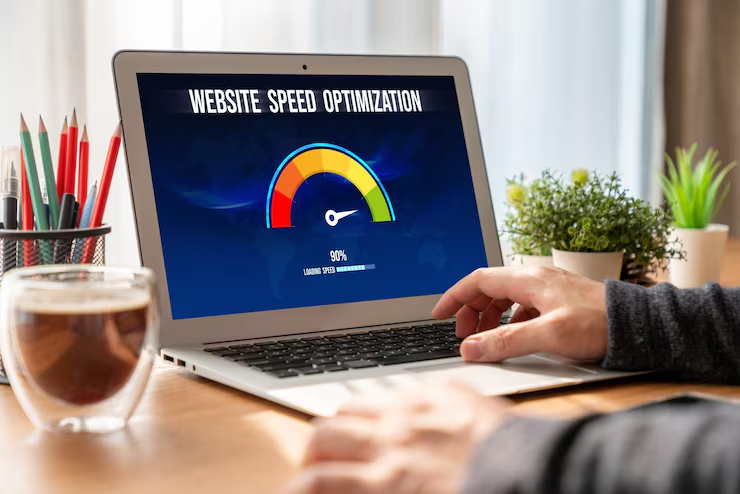
Speed is a major ranking factor and user-experience signal. Visitors expect websites to load in seconds—especially on mobile devices.
Key Speed-Related Hosting Features
-
SSD or NVMe storage
-
Server-level caching
-
CDN (Content Delivery Network) support
-
Modern PHP versions
-
Optimized server locations
Fast hosting improves:
-
Bounce rate
-
Time on site
-
Conversion rates
-
SEO performance
Insight: Hosting speed affects both revenue and search visibility—slow sites lose users fast.
6. Scalability and Upgrade Flexibility
Your hosting plan should grow with your website. Scalability means being able to increase resources without downtime or complex migrations.
Growth-Friendly Hosting Options
-
Easy upgrades from shared to VPS or cloud
-
Flexible resource scaling
-
Add-on storage and bandwidth
-
Seamless migration tools
Cloud and VPS hosting are especially useful for websites that experience traffic spikes or seasonal demand.
Insight: Hosting that scales smoothly saves time, money, and future headaches.
7. Customer Support Quality Is Often Overlooked
When problems occur, fast and knowledgeable support can make the difference between minutes of downtime and hours of frustration.
Signs of Good Hosting Support
-
24/7 availability
-
Live chat and ticket support
-
Technical expertise (not scripted answers)
-
Helpful documentation and tutorials
Support quality becomes especially important for beginners who may need guidance during setup or troubleshooting.
Insight: Great support is part of the hosting product, not an optional extra.
8. Control Panel and Ease of Use
A hosting control panel allows you to manage files, domains, emails, databases, and security settings.
Popular Control Panel Features
-
Simple navigation
-
One-click app installers
-
File manager and email setup
-
Backup and security access
-
Clear performance metrics
A user-friendly control panel saves time and reduces mistakes—especially for non-technical users.
Insight: Ease of use increases productivity and reduces dependence on support.
9. Eco-Friendly Hosting Is Now a Real Consideration
Green hosting is no longer a niche idea. In 2025, many hosting companies invest in renewable energy, energy-efficient hardware, and carbon-offset programs.
Benefits of Eco-Friendly Hosting
-
Reduced environmental impact
-
Modern, efficient infrastructure
-
Positive brand image
-
Support for sustainable technology
Choosing environmentally responsible hosting aligns your website with long-term global sustainability goals.
Insight: Sustainable hosting supports both your brand values and the future of the internet.
10. Balance Features, Price, and Long-Term Value
The cheapest hosting plan is rarely the best choice long term. Instead of focusing only on price, consider overall value.
Smart Cost Evaluation Includes
-
Renewal pricing (not just intro offers)
-
Included features vs paid add-ons
-
Support quality
-
Performance consistency
-
Upgrade costs
Paying slightly more for reliable hosting often saves money by avoiding downtime, migrations, and lost traffic.
Insight: Hosting is an investment, not an expense.

Final Thoughts: Making the Right Hosting Choice in 2025
Choosing the right web hosting plan in 2025 requires balancing performance, security, scalability, and usability. A strong hosting foundation ensures that your website loads fast, stays secure, and grows smoothly over time.
Key priorities to remember:
-
Match hosting to your website’s purpose
-
Never compromise on security or backups
-
Choose reliability over the lowest price
-
Plan for growth with scalable options
-
Value support and ease of use
-
Consider eco-friendly hosting for long-term impact
The right hosting provider becomes a long-term partner in your digital success. By making a thoughtful, informed choice today, you create a stable foundation for traffic growth, brand trust, and future opportunities.